
Knorr
Knorr Pesto Makarna Sosu 50 G
Nutrition Score
19 / 100
#53 of 54 in Pasta Sauce
Origin
Türkiye
- Natural, unprocessed food4Natural, unprocessed food
- Basic food ingredient9Basic food ingredient
- Food component or supplement2Food component or supplement
- Additive or processed ingredient1Additive or processed ingredient
- Ingredient that needs attention1Ingredient that needs attention
- Origin: Türkiye
Besin AI summary
A plain-language summary of this product's ingredients is available in Besin App.
Nutrition facts
Per 100 g- Energy
- 434 kcal / 1,817 kJ
- Fat
- 20.8 g
- Saturated fat
- 13.5 g
- Carbohydrate
- 45.1 g
- Sugars
- 17.6 g
- Fibre
- 2.3 g
- Protein
- 13.8 g
- Salt
- 9.5 g
Ingredients
17 ingredientsCheese Powder
What is this ingredient?
A dried cheese product.
Ingredient class: 2
Basic food ingredient
Traditional ingredients used in home cooking. They are not made in a laboratory but by pressing, milling, drying, cooking or fermenting. For example salt, sugar, honey, butter, olive oil, flour, vinegar, yeast, yogurt cultures and spices.
Wheat flour
What is this ingredient?
A grain- or flour-based food ingredient.
Ingredient class: 2
Basic food ingredient
Traditional ingredients used in home cooking. They are not made in a laboratory but by pressing, milling, drying, cooking or fermenting. For example salt, sugar, honey, butter, olive oil, flour, vinegar, yeast, yogurt cultures and spices.
Starch
What is this ingredient?
A grain- or flour-based food ingredient.
Ingredient class: 2
Basic food ingredient
Traditional ingredients used in home cooking. They are not made in a laboratory but by pressing, milling, drying, cooking or fermenting. For example salt, sugar, honey, butter, olive oil, flour, vinegar, yeast, yogurt cultures and spices.
Salt
What is this ingredient?
Refined salt.
Ingredient class: 2
Basic food ingredient
Traditional ingredients used in home cooking. They are not made in a laboratory but by pressing, milling, drying, cooking or fermenting. For example salt, sugar, honey, butter, olive oil, flour, vinegar, yeast, yogurt cultures and spices.
Granulated sugar
What is this ingredient?
Refined crystalline sugar.
Ingredient class: 2
Basic food ingredient
Traditional ingredients used in home cooking. They are not made in a laboratory but by pressing, milling, drying, cooking or fermenting. For example salt, sugar, honey, butter, olive oil, flour, vinegar, yeast, yogurt cultures and spices.
Basil
What is this ingredient?
Leaves of the basil plant.
Ingredient class: 1
Natural, unprocessed food
Foods as they come from nature, or only washed, dried, frozen or ground. Nothing such as salt, sugar or oil has been added. For example fruit, vegetables, pulses, raw nuts, oats, meat, milk and eggs.
Flavouring
What is this ingredient?
A flavouring is a preparation added to give food a particular taste and smell. It is used in confectionery, drinks, dairy products, snacks and baked goods. As its type is not stated on the label, it may be of natural or artificial origin; flavourings are made by extraction from plant or animal sources, by fermentation (a natural process using microbes such as yeast or bacteria) or by chemical synthesis. It adds no nutritional value; no adverse effects are known at the amounts used in food.
Ingredient class: 4
Additive or processed ingredient
Substances added for a technical purpose such as colour, flavour, sweetness, texture or a longer shelf life. They belong here even when they come from natural sources; this is where E-number additives and all flavourings, natural ones included, go. Being in this group does not mean harmful; it shows that the product is industrially processed. For example citric acid, lecithin, pectin, guar gum, curcumin, beetroot red, potassium sorbate, modified starch and flavourings.
Yeast Extract
What is this ingredient?
A concentrated yeast extract used to add savoury or umami flavour.
Ingredient class: 3
Food component or supplement
Components without an E number, made by juicing, drying or extracting fruit, vegetables or plants. Even when they add colour or flavour, they are food rather than additives. Vitamins and minerals added to raise the nutritional value belong here too. For example vanilla extract, beetroot juice concentrate, black carrot extract, spirulina, dietary fibre, gelatine, vitamin C, vitamin D and iron.
Whey powder
What is this ingredient?
Whey that has been dried into powder.
Ingredient class: 2
Basic food ingredient
Traditional ingredients used in home cooking. They are not made in a laboratory but by pressing, milling, drying, cooking or fermenting. For example salt, sugar, honey, butter, olive oil, flour, vinegar, yeast, yogurt cultures and spices.
Lactose
What is this ingredient?
A dairy-based food ingredient.
Ingredient class: 3
Food component or supplement
Components without an E number, made by juicing, drying or extracting fruit, vegetables or plants. Even when they add colour or flavour, they are food rather than additives. Vitamins and minerals added to raise the nutritional value belong here too. For example vanilla extract, beetroot juice concentrate, black carrot extract, spirulina, dietary fibre, gelatine, vitamin C, vitamin D and iron.
Palm oil
What is this ingredient?
A refined vegetable oil obtained from oil palm fruit.
Ingredient class: 2
Basic food ingredient
Traditional ingredients used in home cooking. They are not made in a laboratory but by pressing, milling, drying, cooking or fermenting. For example salt, sugar, honey, butter, olive oil, flour, vinegar, yeast, yogurt cultures and spices.
Skimmed Cow's Milk Powder
What is this ingredient?
A dairy-based food ingredient.
Ingredient class: 2
Basic food ingredient
Traditional ingredients used in home cooking. They are not made in a laboratory but by pressing, milling, drying, cooking or fermenting. For example salt, sugar, honey, butter, olive oil, flour, vinegar, yeast, yogurt cultures and spices.
Dried Garlic
What is this ingredient?
Dried garlic.
Ingredient class: 1
Natural, unprocessed food
Foods as they come from nature, or only washed, dried, frozen or ground. Nothing such as salt, sugar or oil has been added. For example fruit, vegetables, pulses, raw nuts, oats, meat, milk and eggs.
Dried Onion
What is this ingredient?
Dried onion.
Ingredient class: 1
Natural, unprocessed food
Foods as they come from nature, or only washed, dried, frozen or ground. Nothing such as salt, sugar or oil has been added. For example fruit, vegetables, pulses, raw nuts, oats, meat, milk and eggs.
Show all ingredients (17)
Almond
What is this ingredient?
A nut- or seed-based food ingredient.
Ingredient class: 1
Natural, unprocessed food
Foods as they come from nature, or only washed, dried, frozen or ground. Nothing such as salt, sugar or oil has been added. For example fruit, vegetables, pulses, raw nuts, oats, meat, milk and eggs.
Virgin Olive Oil
What is this ingredient?
Olive oil obtained by mechanical means without refining.
Ingredient class: 2
Basic food ingredient
Traditional ingredients used in home cooking. They are not made in a laboratory but by pressing, milling, drying, cooking or fermenting. For example salt, sugar, honey, butter, olive oil, flour, vinegar, yeast, yogurt cultures and spices.
Renklendirici
E100-E180What is this ingredient?
This ingredient is listed on the label only as "colour", without saying which one. It could be a colour of natural origin such as beetroot red, or an artificial dye linked to hyperactivity in children. Because the colour used is not named, it cannot be assessed. Since our priority is protecting consumers, we assess unnamed colours by the least favourable possibility and list them as ingredients that need attention.
Ingredient class: 5
Ingredient that needs attention
Ingredients that call for attention because of an official assessment or a scientific study. An ingredient needs a concrete reason to be placed here: being classified as a possible carcinogen, being banned in some countries or restricted by food authorities, carrying a mandatory health warning, or being an allergen. Being natural or synthetic does not decide it on its own. For example aspartame, sulphites, nitrites, titanium dioxide, tartrazine, smoke flavourings and partially hydrogenated fats.
Higher-scoring products in Pasta Sauce
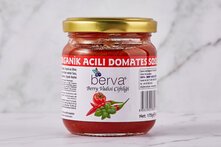
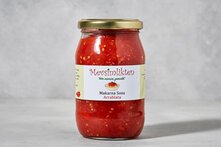
Information is compiled from the product packaging. If you spot a mistake, let us know. How is the Nutrition Score calculated?